Leveraging the Compass 2000 for Effective Health Campaigns in Underserved Communities
Introduction
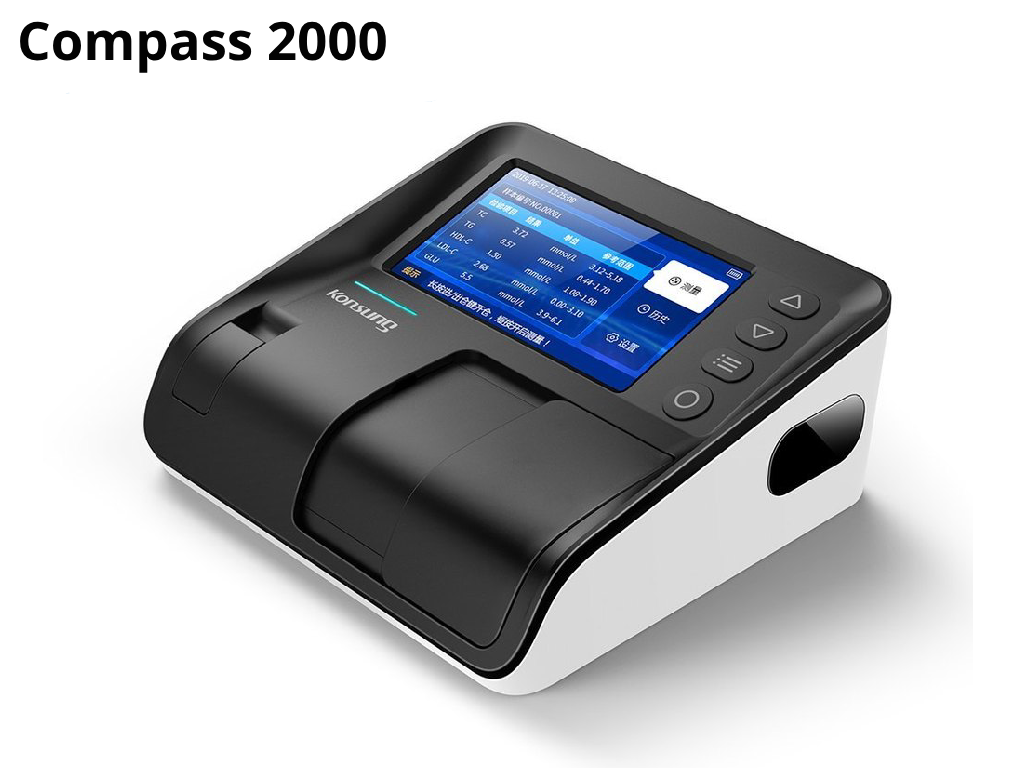
In underserved communities, access to healthcare resources is often limited, leading to delayed diagnoses and poor health outcomes. The Compass 2000, a portable and battery-operated analyzer from Kanlife, is designed to address these challenges by facilitating rapid tests and early diagnosis in rural areas. This article explores how the Compass 2000 can be effectively utilized in health campaigns aimed at improving healthcare access and outcomes in these communities.
The Importance of Early Diagnosis
Early diagnosis is crucial for managing various health conditions effectively. In rural areas, where healthcare facilities may be scarce, the ability to conduct rapid tests can lead to timely interventions. The Compass 2000 offers a solution by providing results in minutes from a small sample volume, making it ideal for camp-based tests during health outreach initiatives. This rapid testing capability enables healthcare providers to identify health issues early, allowing for prompt treatment and better patient outcomes. For instance, in cases of infectious diseases like malaria or tuberculosis, early diagnosis can significantly reduce morbidity and mortality rates, thereby improving community health outcomes.
Features of the Compass 2000
- Portability: The Compass 2000 is designed for use in decentralized testing environments, making it easy to transport to remote locations. This feature is critical for mobile health units that travel to underserved areas.
- Dry-Chemistry Test Cards: Utilizes single-use Kanlife Dia card test cards, which simplify the testing process and reduce waste. These cards eliminate the need for complex laboratory equipment, making testing accessible in various settings.
- Multi-Parameter Testing: Capable of analyzing up to 12 biochemistry parameters on one analyzer, providing comprehensive health assessments. This feature allows healthcare workers to screen for multiple conditions simultaneously, increasing efficiency during health campaigns.
- User-Friendly Interface: Equipped with a 4.3-inch touch screen for easy navigation and operation. This intuitive design minimizes training time and allows healthcare workers to focus on patient care rather than complicated technology.
- Built-In Thermostatic Control: Ensures optimal testing conditions, which is essential for accurate results. Maintaining the correct temperature is vital for the stability of reagents and the reliability of test outcomes.
Implementing Camp-Based Testing with the Compass 2000
Health campaigns in rural areas often rely on camp-based testing to reach underserved populations. The Compass 2000 is particularly well-suited for this purpose due to its rapid testing capabilities and ease of use. Healthcare professionals can set up mobile clinics in remote locations, conduct tests, and provide immediate feedback to patients. This approach not only enhances access to healthcare but also fosters community engagement and education about health issues. For example, during a recent health campaign in a remote village, healthcare workers utilized the Compass 2000 to screen for diabetes and hypertension, allowing them to provide immediate referrals for further treatment. This proactive approach can significantly improve the health literacy of the community and encourage individuals to seek regular medical care.
Addressing Common Health Concerns in Underserved Communities
Underserved communities often face a range of health challenges, including infectious diseases, chronic conditions, and nutritional deficiencies. The Compass 2000 can be instrumental in addressing these concerns by enabling healthcare workers to conduct a variety of tests, such as:
- Diabetes Screening: Early detection of diabetes can prevent complications and improve management. Rapid identification allows for timely lifestyle modifications and medical intervention.
- Kidney Function Tests: Assessing renal function is vital for managing chronic conditions. The Compass 2000 can help identify early signs of kidney disease, allowing for preventative measures to be implemented.
- Liver Function Tests: Identifying liver issues early can facilitate timely treatment. The ability to conduct these tests in the community setting ensures that patients receive necessary follow-ups without delay.
By incorporating the Compass 2000 into health campaigns, healthcare providers can tackle these common health issues effectively and improve the overall health of the community. Furthermore, the data collected during these campaigns can inform public health strategies and resource allocation to better meet the needs of the population.
Cost Considerations for Health Campaigns
When planning health campaigns in rural areas, cost-effectiveness is a crucial factor. The Compass 2000 offers a cost-efficient solution for rapid testing, reducing the need for extensive laboratory infrastructure. The use of dry-chemistry test cards minimizes operational costs while maximizing testing capabilities. Additionally, the portability of the device allows for multiple testing locations without the need for significant investment in transportation or setup costs. Budget-conscious organizations can also benefit from the reduced waste associated with single-use test cards, leading to lower overall expenditure. Moreover, the ability to conduct tests on-site can decrease the costs associated with patient referrals and follow-up visits, further enhancing the affordability of health campaigns.
Training and Support for Healthcare Workers
Successful implementation of the Compass 2000 in health campaigns requires adequate training for healthcare workers. Kanlife provides comprehensive training resources to ensure that users can operate the device effectively and interpret results accurately. Ongoing support is also crucial, as healthcare workers may encounter challenges in the field. By equipping them with the necessary skills and knowledge, health campaigns can achieve better outcomes and foster a culture of continuous learning. Training sessions can include hands-on demonstrations, troubleshooting techniques, and refresher courses to keep staff updated on best practices. This investment in training not only enhances the effectiveness of the Compass 2000 but also empowers healthcare workers to take ownership of their role in improving community health.
Patient and Staff Safety Considerations
In any health campaign, ensuring the safety of both patients and healthcare workers is paramount. The Compass 2000 is designed with safety features that minimize risks during testing. For instance, the use of single-use test cards reduces the chance of cross-contamination and ensures that each test is conducted under optimal conditions. Additionally, healthcare workers should adhere to stringent infection control protocols, including the use of personal protective equipment (PPE) and proper waste disposal methods. Training on these safety protocols is essential, as it not only protects the individuals involved but also fosters trust within the community. By prioritizing safety, health campaigns can encourage greater participation and ultimately lead to improved health outcomes.
Conclusion
The Compass 2000 is a powerful tool for enhancing health campaigns in underserved communities. Its rapid test capabilities, user-friendly design, and multi-parameter analysis make it an ideal choice for camp-based tests in rural areas. By leveraging this innovative technology, healthcare providers can improve early diagnosis and ultimately lead to better health outcomes for vulnerable populations. The integration of the Compass 2000 into health campaigns not only addresses immediate health concerns but also lays the groundwork for sustainable healthcare improvements in underserved areas.
Clinical and diagnostic decisions should always follow your institution's protocols and the product's instructions for use.
Explore Kanlife's Compass 2000 and discover how it can transform your health campaigns. Request a quote or get in touch with us today!
Frequently asked questions
What is the Compass 2000?
The Compass 2000 is a portable and battery-operated analyzer designed for rapid testing in decentralized healthcare settings.
How does the Compass 2000 work?
It uses dry-chemistry test cards to analyze up to 12 biochemistry parameters from a small sample volume, providing results in minutes.
Where is the Compass 2000 used?
The Compass 2000 is ideal for camp-based tests in rural areas, enhancing access to healthcare in underserved communities.
What should I look for when buying a rapid test analyzer?
Consider portability, ease of use, testing capabilities, and support services when selecting a rapid test analyzer like the Compass 2000.
How much does the Compass 2000 cost?
For pricing details on the Compass 2000, please contact Kanlife directly for a quote tailored to your needs.