Exploring the Use of Anesthesia in Outpatient Endoscopic Procedures: Benefits and Best Practices
Introduction to Outpatient Endoscopy
Outpatient endoscopy has become a prevalent choice for various diagnostic and therapeutic procedures, offering patients the convenience of same-day discharge. This approach reduces hospital stays and associated costs, making it an attractive option for both healthcare providers and patients. However, the successful execution of outpatient endoscopy relies heavily on effective anesthesia practices that prioritize patient comfort and safety. By facilitating a more relaxed environment, anesthesia can significantly enhance the overall experience for patients undergoing these procedures.
The Role of Anesthesia in Outpatient Endoscopy
Anesthesia plays a crucial role in outpatient endoscopic procedures, facilitating patient comfort and minimizing anxiety. The choice of anesthesia technique—whether sedation, general anesthesia, or local anesthesia—depends on the type of procedure, patient health status, and the anticipated level of discomfort. The anesthetic approach is tailored to meet the specific needs of the patient while ensuring that the procedure can be performed smoothly and efficiently. This customization is vital, as each patient presents unique challenges, and understanding their medical history allows for a more effective anesthesia plan.
Types of Anesthesia Used
- Conscious Sedation: Often used for procedures like colonoscopy, this technique allows patients to remain awake but relaxed, providing a balance between comfort and responsiveness. This method typically uses a combination of sedatives and analgesics to alleviate pain and anxiety. The goal is to maintain the patient's ability to respond to verbal commands while ensuring they do not recall the procedure.
- General Anesthesia: This may be necessary for more invasive procedures or in patients with significant anxiety or medical conditions that necessitate complete unconsciousness. General anesthesia requires careful monitoring and a skilled anesthesiology team to manage the patient's airway and vital signs throughout the procedure. This approach is beneficial in complex cases where patient movement could compromise safety.
- Local Anesthesia: In some cases, local anesthesia may suffice, particularly for less invasive procedures, allowing patients to remain fully conscious. Local anesthetics can be administered topically or via injection, targeting only the area where the procedure is performed. This method is often preferred for minor interventions, as it minimizes systemic effects and recovery time.
Benefits of Anesthesia in Outpatient Endoscopy
The incorporation of anesthesia into outpatient endoscopic procedures offers numerous benefits that can significantly enhance the quality of care:
- Enhanced Patient Comfort: Anesthesia alleviates pain and anxiety, making the experience more tolerable for patients. This is particularly important in outpatient settings where patient satisfaction is critical for compliance with follow-up care. Comfort during the procedure can lead to a more positive overall experience.
- Improved Procedure Efficiency: With patients under adequate sedation, endoscopists can perform procedures more efficiently, potentially reducing overall procedure time. This efficiency can lead to a higher patient turnover rate, benefiting healthcare facilities. Streamlined processes can also enhance the workflow of the medical team.
- Increased Patient Satisfaction: Positive experiences during outpatient procedures can lead to higher satisfaction rates and improved compliance with follow-up care. Satisfied patients are more likely to recommend the service to others, enhancing the clinic's reputation. High satisfaction rates can also influence the clinic's success and patient retention.
Best Practices for Anesthesia in Outpatient Endoscopy
To maximize the benefits of anesthesia in outpatient endoscopy, healthcare providers should adhere to best practices that emphasize safety and efficiency:
Pre-Procedure Assessment
A comprehensive pre-procedure assessment is vital to identify any patient-specific risks. This includes evaluating medical history, allergies, and current medications. Understanding these factors can help anesthesiologists tailor their approach to each patient. Additionally, a thorough assessment can help identify patients who may require additional monitoring or alternative anesthesia techniques. Engaging patients in discussions about their health status can also foster trust and cooperation.
Monitoring and Equipment
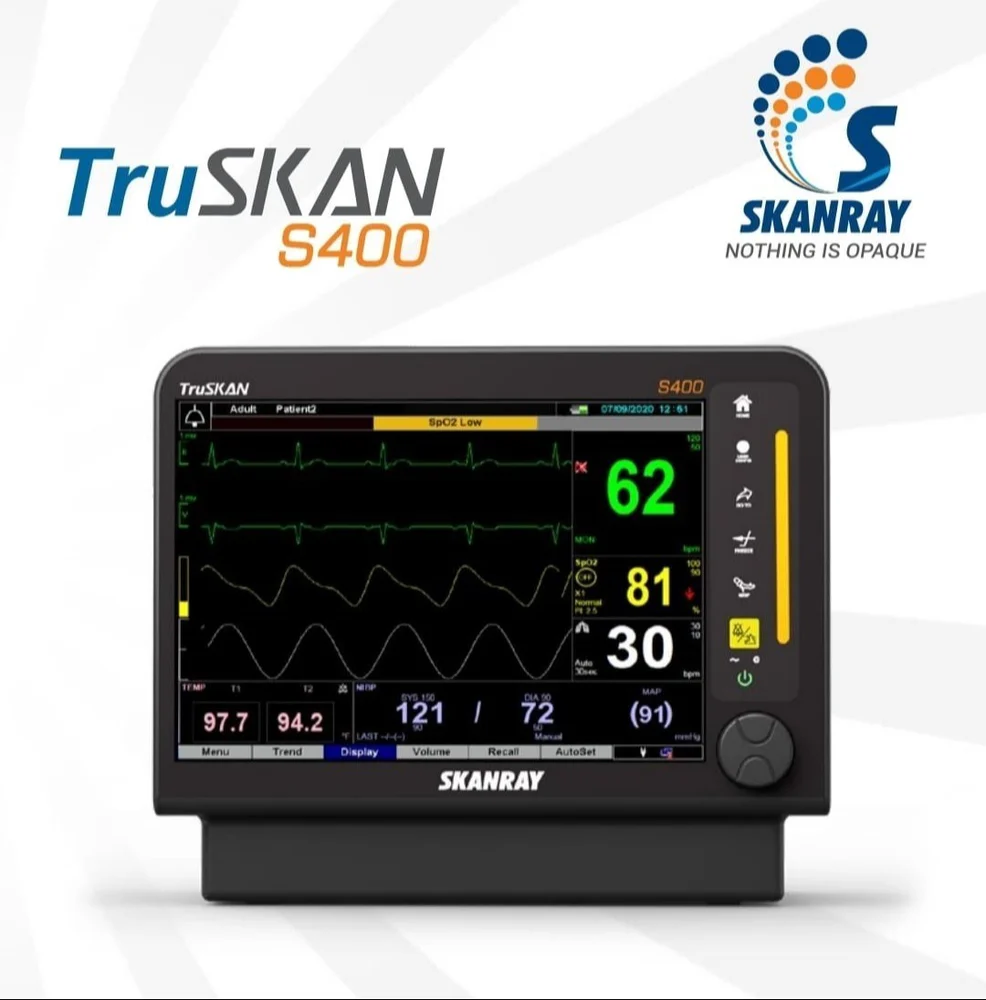
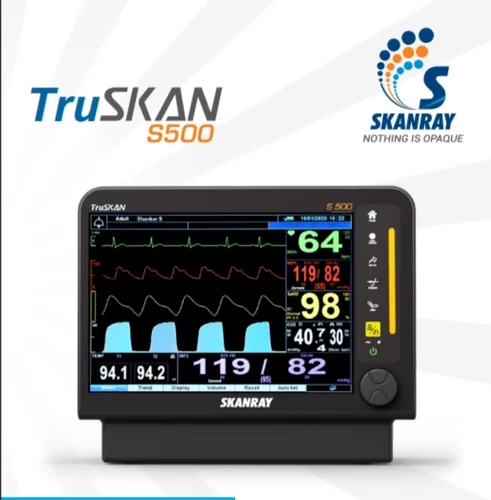
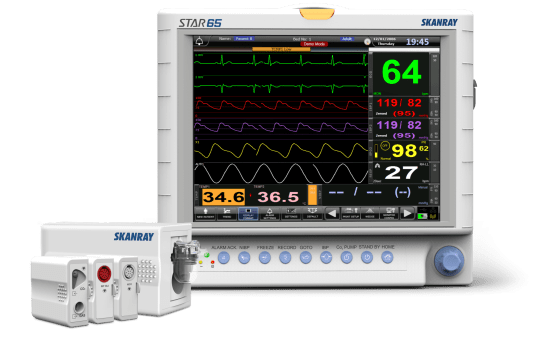
Utilizing advanced monitoring equipment is essential to ensure patient safety during outpatient endoscopic procedures. Continuous monitoring of vital signs, oxygen saturation, and level of consciousness allows for timely interventions if complications arise. Equipment such as capnography can provide valuable information about the patient’s respiratory status, ensuring that any issues are addressed promptly. Regular calibration and maintenance of monitoring devices are crucial for accurate readings and patient safety.
Post-Procedure Care
Post-anesthesia care is crucial for ensuring patient safety and comfort. Patients should be monitored until they meet discharge criteria, which includes stable vital signs and the ability to communicate effectively. Providing clear post-procedure instructions is also important for ensuring a smooth recovery. Patients should be informed about potential side effects of anesthesia and when to seek medical attention if complications arise. A follow-up call to check on the patient's recovery can also enhance their experience and address any concerns.
Practical Considerations for Anesthesia in Outpatient Endoscopy
When implementing anesthesia in outpatient endoscopic procedures, there are several practical considerations that healthcare providers should take into account:
- Facility Readiness: Outpatient facilities must be equipped with the necessary resources to handle anesthesia administration and monitoring. This includes having trained personnel, emergency equipment, and protocols in place for addressing potential complications. Regular drills and updates to emergency protocols can ensure staff preparedness.
- Patient Education: Educating patients about what to expect during their procedure and the role of anesthesia can alleviate anxiety and improve cooperation. Clear communication regarding fasting guidelines and medication adjustments prior to the procedure is also essential. Providing informational brochures or videos can enhance understanding.
- Follow-Up Care: Establishing a follow-up plan for patients after their procedure is important for monitoring recovery and addressing any concerns. This may include scheduled phone calls or in-person visits to assess the patient’s condition. Follow-up care can also reinforce the importance of adherence to any prescribed post-procedure instructions.
Patient Safety Considerations
Patient safety is paramount in outpatient endoscopy. The following considerations can help mitigate risks associated with anesthesia:
- Informed Consent: Ensure patients are fully informed about the anesthesia options and potential risks involved in their procedure. This process should involve discussions about the benefits and alternatives to the proposed anesthesia plan. Documenting the informed consent process is essential for legal and ethical compliance.
- Staff Training: Continuous education and training for staff involved in anesthesia administration can enhance patient safety and procedural outcomes. Regular drills and simulations can prepare staff for unexpected situations that may arise during procedures. Keeping staff updated on the latest anesthesia techniques and guidelines is also beneficial.
- Emergency Protocols: Establishing clear protocols for managing potential complications can significantly improve patient outcomes in the event of an emergency. This includes having a designated emergency response team and readily available resuscitation equipment. Regular reviews of these protocols can ensure their effectiveness and relevance.
Comparison with Alternative Approaches
While anesthesia is a standard practice in outpatient endoscopy, alternative approaches exist that may suit specific patient populations or procedural contexts. For instance, some patients may opt for non-anesthetic interventions, such as behavioral techniques to manage anxiety, or may be candidates for procedures performed under local anesthesia alone. These alternatives can sometimes reduce the risks associated with general anesthesia but may not provide the same level of comfort for all patients. Understanding the patient's preferences and clinical indications is essential when considering these alternatives, and a thorough discussion with the healthcare team can help determine the most appropriate approach.
Conclusion
The integration of anesthesia in outpatient endoscopic procedures is essential for enhancing patient comfort, safety, and overall satisfaction. By adhering to best practices and prioritizing patient safety, healthcare providers can ensure successful outcomes in outpatient settings. As the field of outpatient endoscopy continues to evolve, ongoing education and the adoption of innovative practices will be crucial for optimizing anesthesia management. Future advancements in anesthesia technology and techniques may further improve patient experiences and procedural efficiencies.
This article is for educational purposes only and is not a substitute for professional medical advice. Always consult a qualified healthcare provider for any medical concerns.
Explore Kanlife's range of anesthesia equipment and solutions to enhance your outpatient endoscopic procedures. Get in touch with us today to learn more!
Frequently asked questions
What is outpatient endoscopy?
Outpatient endoscopy is a minimally invasive procedure that allows for diagnostic and therapeutic interventions without requiring an overnight hospital stay.
How does anesthesia work in outpatient endoscopic procedures?
Anesthesia in outpatient endoscopic procedures helps manage pain and anxiety, allowing patients to undergo procedures comfortably while ensuring their safety.
What are the benefits of using anesthesia in these procedures?
The benefits include enhanced patient comfort, improved procedure efficiency, and increased patient satisfaction.
What safety considerations should be taken into account?
Key safety considerations include informed consent, staff training, and established emergency protocols to manage potential complications.
What types of anesthesia are commonly used?
Common types of anesthesia used in outpatient endoscopy include conscious sedation, general anesthesia, and local anesthesia, depending on the procedure and patient needs.