VNG
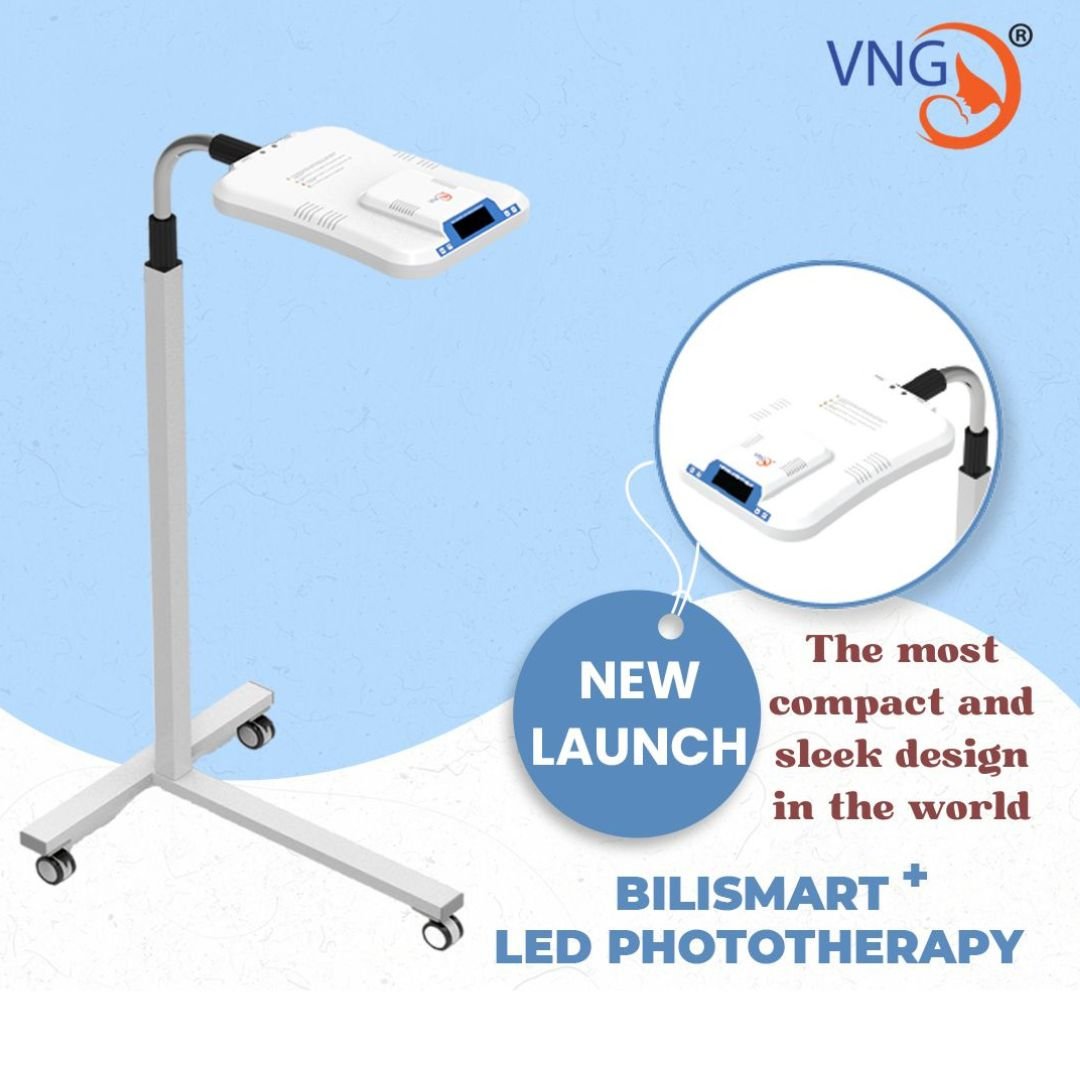
VNG Bilismart LED Phototherapy — Single Surface
Contact our team for pricing, configuration options and availability.
Thanks! Our team will contact you shortly.
Single-surface LED phototherapy unit for treating neonatal jaundice (hyperbilirubinemia).
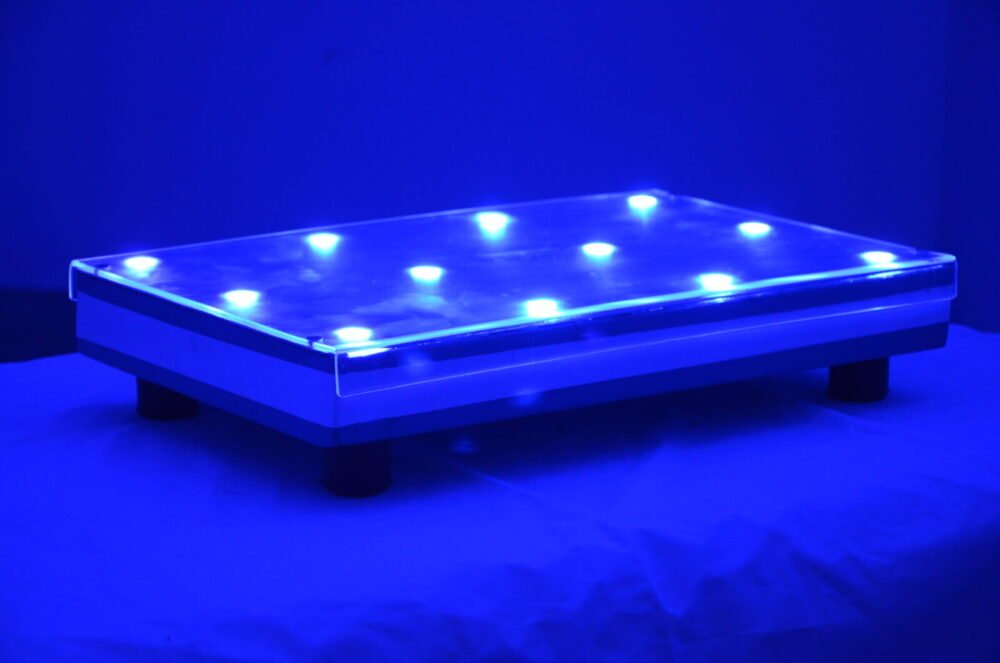
12 high-intensity blue LED lamps (450–465nm), tilting head (0–90°), dual-intensity treatment modes. By VNG Medical.
At a glance
- 12 high-intensity blue LED lamps (450–465nm) for effective bilirubin photo-oxidation
- Tilting head (0–90°) for flexible positioning over bassinet or incubator
- High- and low-intensity treatment modes
- Rated LED lifetime of 45,000 hours — low bulb-replacement cost over time
- Mobile stand on 3 castors (2 lockable) for easy bedside repositioning
- Compact single-surface design suited to NICUs and small hospitals
OVERVIEW
Bilismart LED Phototherapy is a non-invasive treatment for neonatal jaundice. It works by photo-oxidation — converting fat-soluble trans-bilirubin in an infant's skin into water-soluble cis-bilirubin isomers, which the body can then excrete without the need for a blood transfusion.
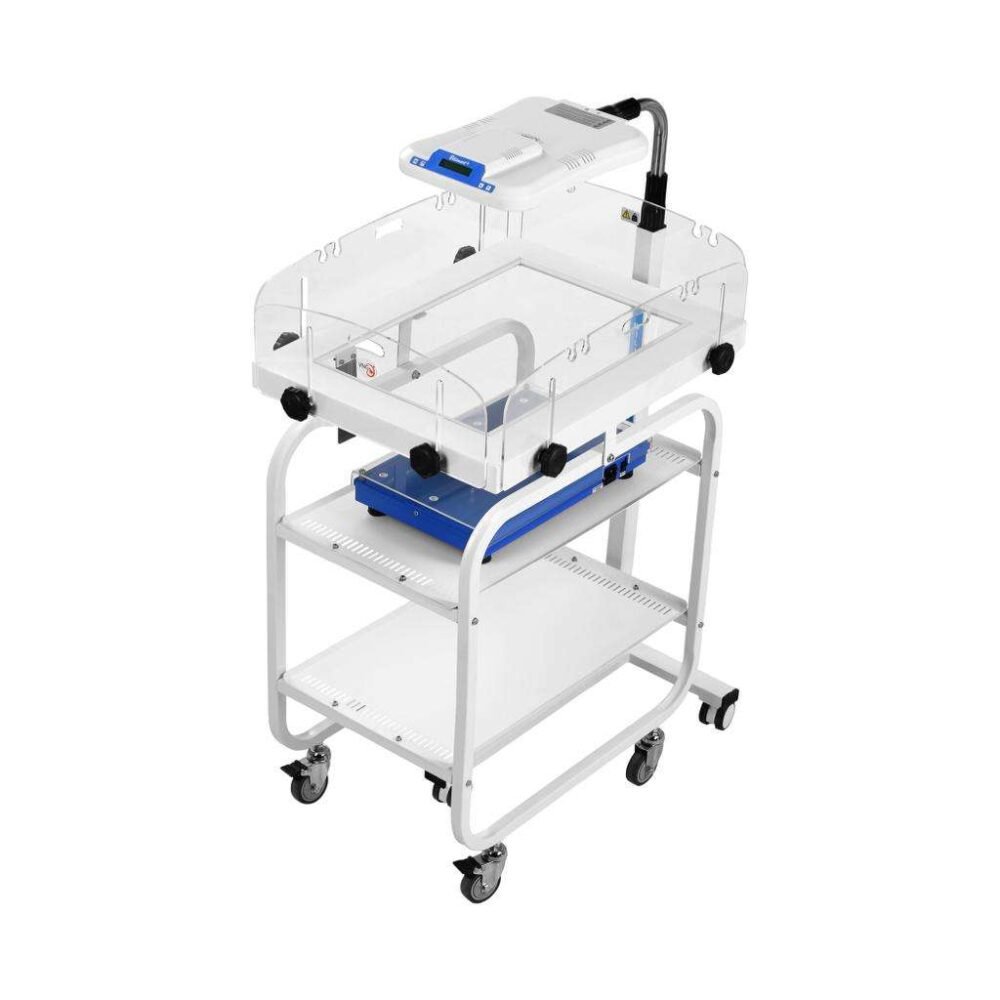
The single-surface configuration is a tilting overhead unit, suited for NICUs, nurseries and small hospitals where a compact phototherapy solution is needed.
FEATURES
- 12 high-intensity blue LED lamps (450–465nm peak wavelength) at 40µW/cm²/nm intensity
- 3 white LED observational lights for clinical visibility during treatment
- Rated LED lifetime of 45,000 hours
- Tilting head (0–90°) for flexible positioning over the bassinet or incubator
- High- and low-intensity treatment modes
- Mobile stand on 3 castors, 2 lockable, for easy repositioning at the bedside
SPECIFICATIONS
- Power consumption: up to 40W (100–240V AC, 50–60Hz)
- Dimensions: H 165cm × W 69cm × D 64cm
- Weight: 27kg
- Recommended working distance: 35cm from the patient
Frequently asked questions
What is single-surface LED phototherapy used for?
It treats neonatal jaundice (hyperbilirubinemia) by exposing the infant's skin to blue light, which converts bilirubin into a form the body can excrete without a blood transfusion.
How many LED lamps does the Bilismart single-surface unit have?
12 high-intensity blue LED lamps at 450–465nm peak wavelength, plus 3 white LED lights for clinical observation.
How long do the LEDs last?
The LEDs are rated for 45,000 hours of use, reducing bulb-replacement costs compared with conventional phototherapy lamps.
Can the treatment head be repositioned?
Yes — the head tilts through 0–90° and the unit sits on a 3-castor mobile stand (2 lockable), so it can be angled and moved to suit the bassinet or incubator.
What's the recommended distance from the infant?
VNG recommends a working distance of approximately 35cm from the patient for this unit.
Is this the same as double-surface or under-surface phototherapy?
No — this is a single, overhead treatment surface. Kanlife also supplies VNG's double-surface and under-surface phototherapy units for combined or space-constrained setups.
Related products
Related reading
Anesthesia
Understanding the Role of Anesthesia in Pediatric Surgery: Best Practices and Equipment
This article delves into pediatric anesthesia's critical role in surgery, emphasizing best practices and the necessary equipment to ensure safety in NICU settings.
Read article Liver/HepatologyThe Role of Diagnostic Equipment in Early Detection of Pediatric Liver Conditions
This article explores the critical role of diagnostic equipment in the early detection of pediatric liver conditions, emphasizing its impact on patient care.
Read article